Trisakti Institute of Tourism Library
Trisakti Institute of Tourism Library


Warisan budaya (heritage) dapat menjadi potensi pariwisata perkotaan terutama di kota-kota besar di Indonesia. Kota Semarang yang merupakan kota yang memiliki nilai pariwisata sejarah yang istimewa memliki potensi wisata heritage yaitu Lawang Sewu. Penelitian ini bertujuan untuk mengetahui pengaruh daya tarik wisata terhadap motivasi kunjungan wisatawan Gen Z di Lawang Sewu Semarang sebaga…

Daya Tarik Wisata merupakan keunikan yang dimiliki oleh suatu daerah yang juga harus dudkung oleh 4 kompenen yaitu atraksi wisata, fasilitas wisata, aksesibiltas dan pelayanan tambahan sehingga dapat menarik minat wisatawan untuk berkunjung ke tempat tersebut. Penelitian ini bertujuan untuk mengetahui dan menjelaskan pengaruh daya tarik wisata heritage dan kepuasaan wisatawan terhadap mina…
Information and Knowledge Organisation explores the role of knowledge organisation in the digital humanities. By focusing on how information is described, represented and organised in both research and practice, this work furthers the transdisciplinary nature of digital humanities. Including contributions from Asia, Australia, Europe, North America and the Middle East, the volume explores the p…
The cry for decolonization has echoed throughout the museum world. Although perhaps most audibly heard in the case of ethnographic museums, many different types of museums have felt the need to engage in decolonial practices. Amidst those who have argued that an institution as deeply colonial as the museum cannot truly be decolonized, museum staff and museologists have been approaching the issu…
Heritage Tourism bukan saja perjalanan menuju tempat-tempat bersejarah, bangunan, maupun artefak bersejarah lainnya, namun juga meliputi berbagai hal yang terjadi di masa lalu, seperti budaya masyarakat setempat yang berlaku pada saat itu.
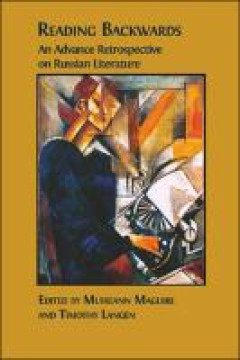
"This edited volume employs the paradoxical notion of ‘anticipatory plagiarism’—developed in the 1960s by the ‘Oulipo’ group of French writers and thinkers—as a mode for reading Russian literature. Reversing established critical approaches to the canon and literary influence, its contributors ask us to consider how reading against linear chronologies can elicit fascinating new patte…
 Karya Umum
  Filsafat
  Agama
Agama  Ilmu-ilmu Sosial
  Bahasa
  Ilmu-ilmu Murni
  Ilmu-ilmu Terapan
  Kesenian, Hiburan, dan Olahraga
  Kesusastraan
  Geografi dan Sejarah