Trisakti Institute of Tourism Library
Trisakti Institute of Tourism Library
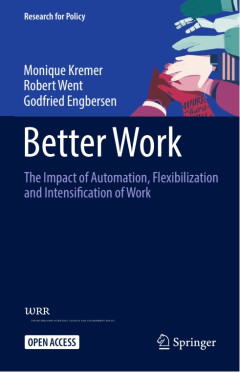
This is an Open Access book. How can we make work better? It is an important question, one that the Dutch government, employers’ organizations and trade unions have been grappling with. People work to make money. But work also inspires self-respect, shapes our identity and gives us a sense of belonging – especially when the work we do is good. Good work is essential to prosperity in the bro…
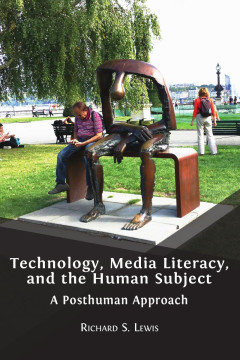
What does it mean to be media literate in today’s world? How are we transformed by the many media infrastructures around us? We are immersed in a world mediated by information and communication technologies (ICTs). From hardware like smartphones, smartwatches, and home assistants to software like Facebook, Instagram, Twitter, and Snapchat, our lives have become a complex, interconnected netwo…
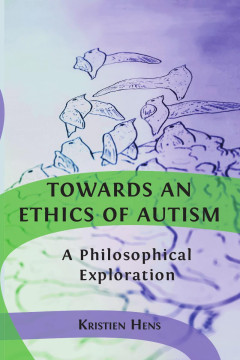
What does it mean to say that someone is autistic? Towards an Ethics of Autism is an exploration of this question and many more. In this thoughtful, wide-ranging book, Kristien Hens examines a number of perspectives on autism, including psychiatric, biological, and philosophical, to consider different ways of thinking about autism, as well as its meanings to those who experience it, those who …
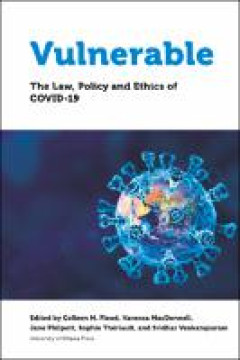
Vulnerable examines the vulnerabilities and interconnections brought to light by the pandemic, as well as the legal, ethical and public policy responses. This book exposes the vulnerabilities of individuals, institutions, governance and legal structures, in several countries and worldwide.
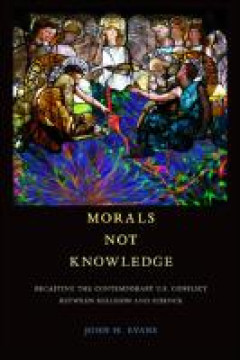
In a time when conservative politicians challenge the irrefutability of scientific findings such as climate change, it is more important than ever to understand the conflict at the heart of the “religion vs. science” debates unfolding in the public sphere. In this groundbreaking work, John H. Evans reveals that, with a few limited exceptions, even the most conservative religious Americans a…
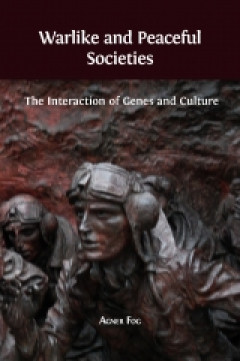
Read Agner Fog's introductory post on our blog [...] it presents a valuable overview of the extensive literature on the societal correlates of modern warfare and makes a convincing, and timely, case for the deceptive use of the threat of war by populists or budding dictators. — Carel P. van Schaik, University of Zurich, Adaptive Behaviour (May 2018) https://doi.org/10.1177/105971231877197…
null

null
 Karya Umum
  Filsafat
  Agama
Agama  Ilmu-ilmu Sosial
  Bahasa
  Ilmu-ilmu Murni
  Ilmu-ilmu Terapan
  Kesenian, Hiburan, dan Olahraga
  Kesusastraan
  Geografi dan Sejarah